Damp Air, Dry Stems: A Field Test for Natural Styling in Sweating Venues
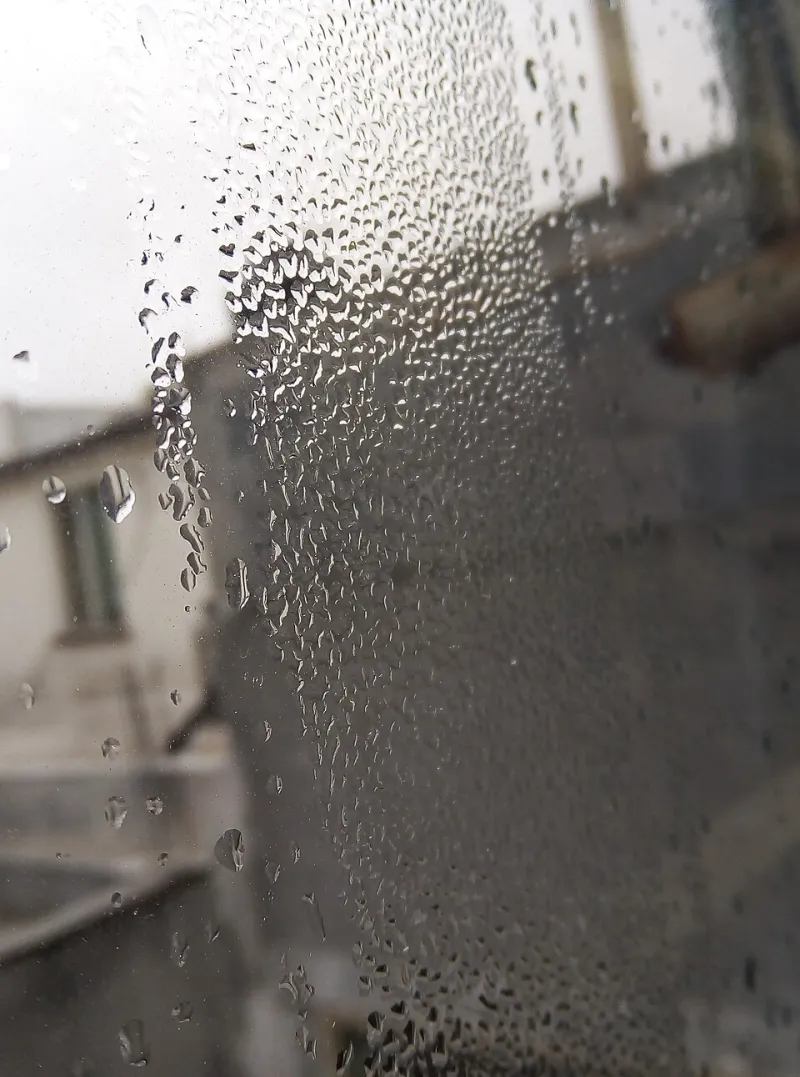
Photo: Doggo19292, Public domain, via Wikimedia Commons
There is a particular kind of winter venue that feels dry when you arrive and damp by the time the candles are lit. The walls are cold, the guests are warm, the doors keep opening, and somewhere between the caterer’s urns and the last coat hung on a chair, condensation quietly gets to work. For anyone styling with natural materials, that shift matters. Dried stems, paper, linen, moss, timber and wool all respond to moisture in their own way, and not always politely.
The answer is not to wrap the room in plastic or abandon natural decoration altogether. It is to read the venue’s air before you commit, then place materials where they can cope. Think of it as a field test rather than a science lesson: quick, low-tech and done before the first arrangement is unpacked.
Start with the room, not the arrangement
A barn, a village hall and a marquee are three different climates. Stone and brick walls hold cold; single-glazed windows run with water; marquee linings trap warm air near the roof and cool air near the floor. Add a hundred guests, a tea urn, a bar and a wet November day, and the room changes again.
Before you decide where anything goes, walk the space slowly. Look for the usual suspects: cold external walls, windows with no trickle vents, floors that feel chilly underfoot, corners where air does not move, and doorways that act as a wind tunnel. Run the back of your hand along a wall at table height. If it feels noticeably colder than the air around it, that surface is a likely condensation point. Natural materials placed directly against it will be sitting in the wettest part of the room.
The tissue patch test
For a simple overnight check, tape a square of plain kitchen paper or tissue to a wall, window reveal or marquee lining with low-tack tape. Leave it for an hour or two while the room is in normal use, then check it. A little softness at the edges is normal in winter. A patch that is visibly damp, wrinkled or cold to the touch tells you that surface is not a safe place for paper, dried flowers, fabric or anything that marks.
Repeat the test in two or three locations: one near a door, one on an outside wall, one in the middle of the room. The difference between them is the useful part. It shows you where the room is sweating and where it is merely cool.
The glass and coaster check
For table surfaces, fill a small glass with cold water and stand it on a coaster or saucer for twenty minutes. Then lift it and feel the underside of the coaster and the table beneath. If there is a ring of moisture, that table is collecting condensation. It may be because the surface is cold, because the room is warm and humid, or because air cannot move underneath the arrangement. Whatever the cause, it is a warning: linen runners, paper menus, moss bases and wooden boards need a barrier here.
This is also a useful test for bars and buffet tables, where ice, hot water and frequent handling create their own microclimate. A natural styling scheme can survive a damp room, but it will not survive sitting in a puddle.
Give every material a chance to breathe
Condensation is often made worse by good intentions. Tightly sealed tablecloths, plastic-backed linens and arrangements packed into closed boxes trap moisture against surfaces. Natural materials do better with a little airflow and a little separation.
Use felt pads, cork mats, wooden trivets or simple ceramic saucers under arrangements. Raise dried stems in vessels rather than laying them flat on cold stone. Keep fabric runners slightly inset from the table edge so air can move underneath. If you are using moss, allow it to sit on a tray or in a lined container rather than directly on timber. And leave small gaps between arrangements instead of building one solid wall of decoration against a cold wall. The room will look less crowded and the materials will last longer.
Placement rules that hold up in real venues
Put the most moisture-sensitive pieces where the air is most stable: away from external walls, off cold floors, clear of doorways and not directly under marquee linings that drip. Paper stationery, pressed leaves, dried grasses and delicate seed heads belong in these calmer zones.
Near entrances and bars, choose materials that can take a bit of atmosphere: sturdy branches, timber boards, wool, cork, ceramic vessels, robust evergreens and foliage that is already used to British winters. Keep them raised and give them a drip tray. If a surface is prone to condensation, treat the arrangement as if it might need to be moved at short notice, because it might.
For village halls and older buildings, be careful with anything that could mark original surfaces. Use removable pads and avoid pressing damp materials against painted walls or polished wood. For marquees, manage the doors and heating as deliberately as you manage the tables: brief airing helps, but propping a door open all evening in the rain usually makes things worse.
The quiet advantage of forgiving materials
A damp room does not demand a plastic-free miracle. It rewards materials that are honest about the season. Dried stems that are already a little faded will cope better than fresh blooms that collapse at the first cold draught. Linen with a natural slub will hide a soft edge better than a crisp paper cloth. Timber that is allowed to age looks better than a veneer that lifts.
That is not an argument for lowering standards. It is a reminder that natural styling works best when it is placed with the building rather than against it. Test the air, raise the materials, protect the surfaces and leave room for the room to breathe. By the time the guests arrive, the venue can sweat quietly in the background while the styling carries on looking like it belongs.