The Second Life Ledger: Planning What Happens After the Last Guest Leaves
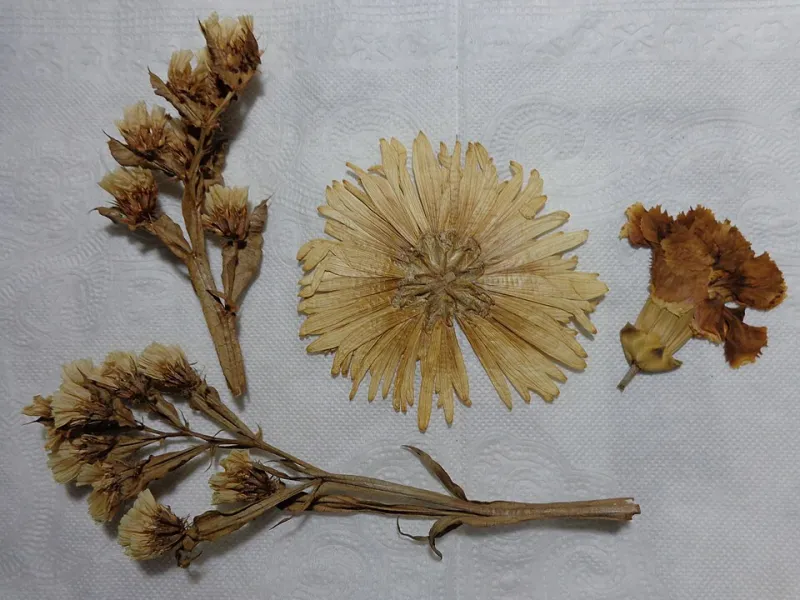
Photo: Nguyenthibeut, CC BY-SA 3.0, via Wikimedia Commons
There is a particular kind of quiet after an event. The last guest has gone, the candles are out, and someone is walking the room with a bin bag. For plenty of small styling businesses, that is the moment when all the careful sourcing and natural materials quietly stop being part of the story. The stems go in the skip because everyone is tired. The branches get snapped down because the van is booked for nine. It is understandable, but it is also a missed opportunity.
A second-life plan is not a grand sustainability manifesto. It is a de-install plan that starts before the first crate is loaded. For UK event planners, shop window stylists and small teams working winter marquees, the most useful thing you can do is decide where materials will go while you are still deciding where they will stand.
Start with the exit in the room
When you sketch a scheme, sketch its dismantling too. Ask a few boring but useful questions: can this branch be shortened rather than snapped? Are the stems wired individually, or bundled in a way that is easy to separate? Is there floral foam in the mechanics, and if so, can it be avoided or kept out of the green waste? Can the table piece be lifted as one unit and rebuilt somewhere else?
None of this needs to make the design less beautiful. It simply means choosing mechanics that can be taken apart without a fight. Keep a small second-life kit with the rest of your de-rig equipment: secateurs, twine, labels, a tarpaulin, gloves, a few deep crates and a marker pen. Nominate one person to lead the sort. If everyone is half-sorting, no one is sorting.
A simple four-way sort
At the end of a long install day, a complicated system will fail. Use four zones, set up before the de-rig begins, and keep them obvious.
Dry and rework. This is for stems that hold their shape and colour: eucalyptus, birch, grasses, seed heads, pinecones, dried hydrangea heads and similar. Hang them in a dry, airy space as soon as you get back. Do not bundle them tightly while damp. A few will fail; that is normal. The point is to give the good ones a chance.
Compost or green waste. Wet flowers, leafy foliage and untreated natural waste can go here, but only if your local council or venue has a suitable route. Strip wire, tape, foam and plastic first. A compost heap is not a bin with better branding. Check what the site will actually accept.
Donate or pass on. Potted plants, clean containers, intact table pieces and sturdy branches can sometimes go to a community garden, school, care home or another small business. Ask first, and be honest about condition. A tired arrangement is not a gift just because it is free.
Return to stock. Vessels, fabric, crates, props, candle holders and anything reusable should go back to the shelf, not into the maybe pile. Label it and put it away properly. The best second life is often simply a third use.
Anything left over — tape, wire, broken composite pieces — should be a small final pile, not the main event.
Words that do not overpromise
Clients are increasingly interested in what happens after the event, but the language around sustainability can get loose. Avoid promising 'zero waste' or '100% sustainable' unless you can stand behind it in every venue, on every date, with every supplier. A better approach is clear and modest.
In a proposal, try something like: 'We plan for a second life where we can. Stems that dry well are rehomed or reworked, green waste is composted where local facilities allow, and reusable props return to stock. Some composite items may need specialist disposal.'
That wording does two things. It shows you have thought about the exit, and it gives you room to be truthful when a venue has no green waste route or a client changes the plan at short notice. Add a short de-install note to the quote, with labour and transport included. If the work is real, it should be in the budget.
Realistic second uses for winter materials
A winter marquee, shop window or party often leaves behind more than people expect. Long branches can be cut down for mantle arrangements, window displays or workshop bundles. Dried stems can become winter wreaths, small posies for a January shop counter, or teaching material for a styling workshop. Clean vessels and candle holders can go back into hire stock. Fabric can be laundered, folded and reused.
Table pieces are trickier. Some can be lifted whole and passed on to a community space; others are better broken down so the reusable parts survive and the rest goes to green waste. If a client wants a smaller reminder of the event, offer an after-event arrangement as a paid add-on. It is a nice service, but only if the materials are still in good condition the next morning.
Be realistic about donations. Care homes and schools may welcome flowers, but ask about allergies, timing and whether they have someone to arrange them. Community gardens may take untreated branches, but not a vanload of wire and tape. A quick phone call beats a hopeful drop-off.
Make it normal, not heroic
A thoughtful de-install should not depend on one person staying late with a good attitude. Put sorting time in the schedule. Put it in the quote. Keep a simple log of what went where, and take a few photographs before the materials leave. That record is useful for future proposals and for the quiet confidence of knowing your sustainability line is not just a line.
The last guest leaving is not the end of the styling job. It is the final part of it. A good second-life plan keeps natural materials moving — into storage, into a workshop, into a community garden or back into the soil — instead of into the bin by default.