The Softened Room: Hearing Your Way to Better Winter Styling

The first impression is not always visual
When we style a winter room, most of us audit it with our eyes. We check the palette, the height of the arrangement, the balance of light and shadow. Fair enough. But walk into a bare-floored hallway in November, or a village hall dressed for a supper, and the first thing that reaches you is often sound: boots on boards, a chair scraping, a voice bouncing back off the wall.
That is the layer Brook & Vine keeps coming back to this season. Natural styling is not only about what sits on the table. It is also about how the room behaves around it. A room can look generous and still sound brittle. A few thoughtful materials can change that without changing the scheme at all.
This is not about making a home silent, or turning an event space into a library. It is about making a winter room sound inhabited. Softened. Ready for people.
Why winter turns up the volume
Winter styling often strips things back. Curtains may be drawn earlier, floors are bare where rugs have been pulled aside, and the room fills with hard, crisp materials: glass, metal, dried stems, painted furniture. Add a crowd and the acoustic edges become obvious. Victorian terraces with high ceilings, plaster walls and wooden floors can carry a surprising amount of clatter. Marquee floors and empty halls are worse.
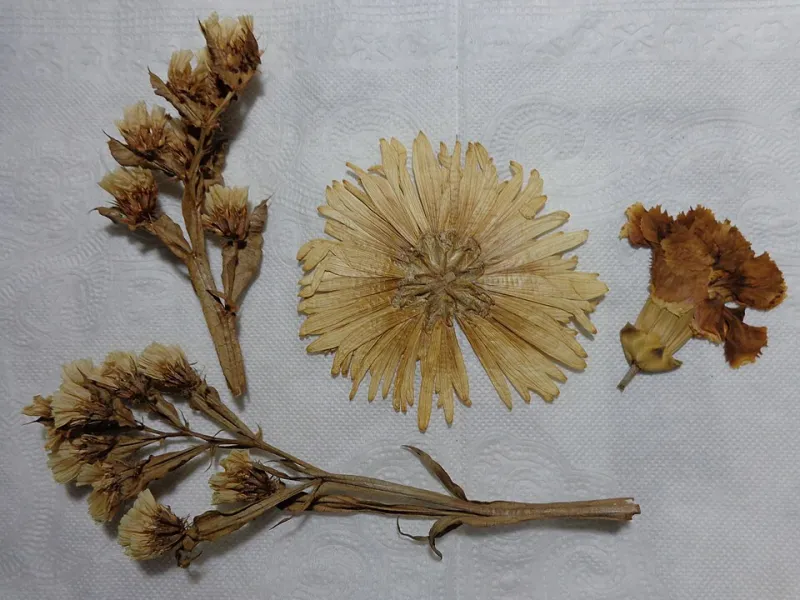
Dried materials have a particular role here. They look quiet, but they can rustle. That is not a fault. A little rustle is part of the season. The trick is to pair crispness with something that absorbs it, so the room does not turn into a drum.
Materials that speak softly
If you are styling for a UK winter, start with materials that are already in the seasonal vocabulary. These are the workhorses worth keeping in the van or the cupboard under the stairs.
- Dried grasses and seed heads. Oat grass, broom, teasel and allium heads bring movement and a low, papery rustle. Used in a loose arrangement, they also break up a flat wall or a blank corner without adding weight.
- British wool. A wool throw over a bench, felt pads under a vase, or a length of wool runner on a long table does more acoustic work than it looks. Wool absorbs and softens. It is also the easiest way to make a hard chair feel less formal.
- Wood, especially branches and boards. Birch, hazel and weathered driftwood add density without hard reflection. A wooden bowl or a few standing branches give the eye something to rest on and the ear something less bright than glass.
- Paper. Honeycomb decorations, paper stars and simple lanterns are light, diffuse and forgiving. They take the edge off a corner and cost very little. Just keep them away from direct heat and open flames.
- Linen and cotton. Tablecloths, napkins and loose covers are not strictly natural styling materials, but they belong in the same family. A cloth on a bare table changes the sound of the room before anyone sits down.
Moss, lichen and living foliage have their place too, but winter is not the moment to rely on them heavily. The materials above are the ones that will still be doing their job in January.
A five-minute listening test
Before you add another stem or move another chair, test the room. It takes less time than arranging a centrepiece.
- Stand at the doorway and clap once. Listen for the tail of the sound. If it snaps back quickly, the room is hard. If it fades, you have some softness already.
- Speak from the doorway towards the far corner. Your own voice is the best test. If it sounds thin or echoey, add texture at the edges: a rug, a curtain, a wool throw, a paper lantern.
- Walk the route guests will take. Listen at table height, not just standing height. A room can sound fine at the door and clattery once everyone is seated.
- Test it furnished, not empty. An empty room lies. Put the chairs in place, lay the cloth, hang the arrangement. Then listen again.
- Note the hard corners. Bare floors, glass tables and empty walls are the usual culprits. You do not need to fill them. One soft element in the right place is often enough.
For event planners, repeat the test with the room set up as it will be used. Bodies absorb sound, so a hall that echoes at 3pm may be perfectly comfortable at 7pm. But do not rely on the crowd to fix a difficult room. A few wool runners and a paper installation will do more reliable work than fifty guests.
The event planner's version
Marquees, church halls and converted barns are wonderful spaces with a tendency to sound like a drum. The instinct is to fill them with visual noise. Resist that. Acoustic comfort is often about repetition and softness, not more stuff.
Use fabric where you can: drapes at the ends of a marquee, wool throws over benches, linen runners on long tables. Hang paper lanterns at different heights to break up the ceiling plane. Keep dried installations away from microphones and speaker stacks, not because they are dangerous, but because a bowl of teasel next to a microphone will rustle every time someone walks past. Place the loud materials where they can be admired, not where they will be knocked.
And leave one corner quiet. A calm room needs somewhere for the sound to go.
Where rustle belongs
Not every room should whisper. An entrance hall can take a crisp, crunchy arrangement of dried stems. A dining room usually wants more softness. A bedroom wants almost none of the crackle and all of the wool.
The useful rule is one loud material at a time. If you have a tall arrangement of dried grasses, keep the tablecloth soft and the chairs quiet. If you have a paper installation, do not add a hundred crisp napkins. Let one thing rustle. Let the rest absorb.
That is the quiet advantage of natural styling in winter 2026. It is not a trend to chase. It is a way of listening to the room you are already dressing.
Before you add another bauble, stand still. Clap once. Listen. Then style for the ears as well as the eyes.