When the Clocks Change: Lighting a Calm November Home
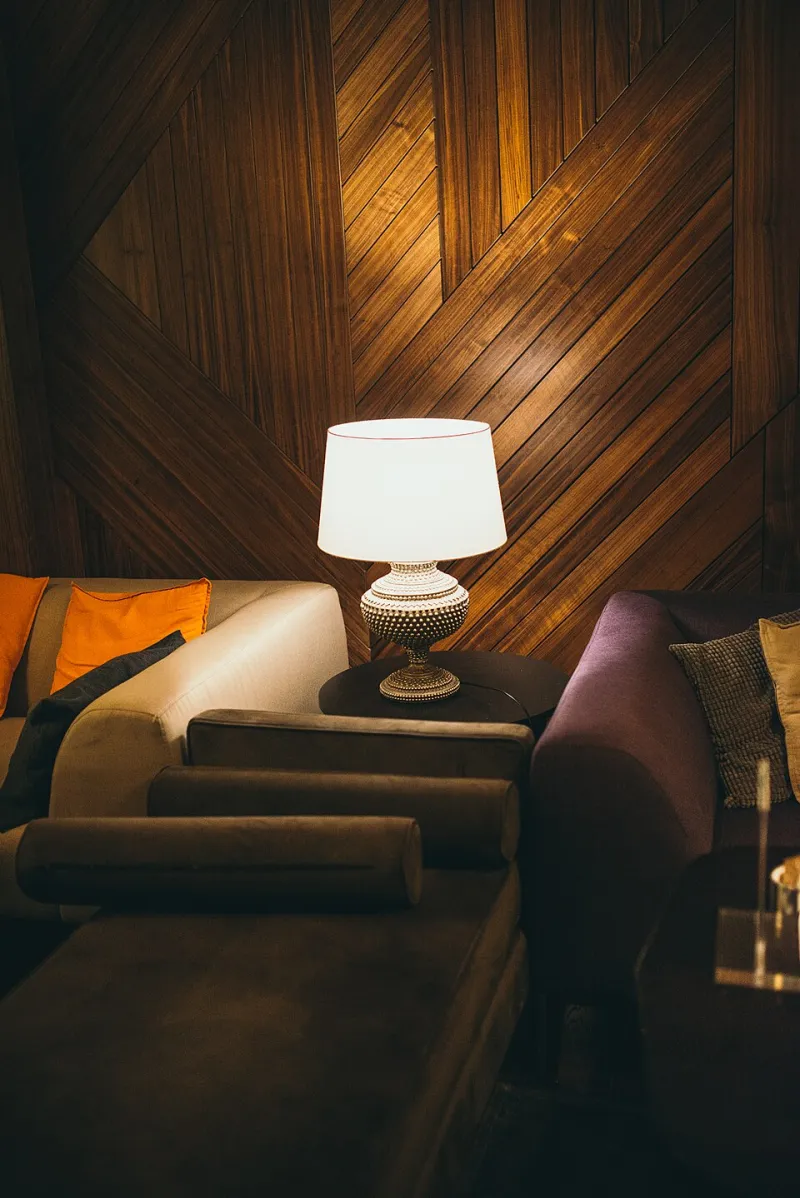
Photo: Shixart1985, CC BY 2.0, via Wikimedia Commons
November has a way of shrinking the day before you have finished with it. By late afternoon, the windows are black, the kettle is on, and every shop window seems to suggest that the answer is another string of fairy lights. It is not. A calm room in the dark months needs layers of light, not a tangle of them. Think of it as lighting a stage for a quiet conversation: a pool here, a glow there, and enough shadow left alone to make the room feel like itself.
Start with the room, not the season
Before buying a single candle, walk around your main room at 4pm. Note where you actually sit, read, cook, pour a drink or put down a glass. Those are the places that need light. The sofa corner needs a low lamp; the dining table needs something overhead but soft; the hallway needs just enough to stop a guest tripping over a bag. Seasonal styling works best when it follows use. A Cotswold cottage and a Leeds flat may share the same dark afternoons, but they do not share the same corners.
Candle groupings that behave like furniture
Candles are not decoration to be scattered like confetti. Group them. Three or five on a tray, with different heights and widths, reads as one considered object rather than a fire hazard. Use a stable metal or ceramic tray, keep the group away from draughts, and let one candle be the tallest note. Pillar candles in off-white or beeswax look generous; tapered candles feel more formal. For everyday November evenings, a single good candle on the mantel can be enough. For an intimate supper, repeat the same grouping down the table rather than inventing a new arrangement at every place setting.
Table lamps are the quiet workhorses
If you do one thing this month, move a table lamp off the landing and into the room where you actually spend the evening. A lamp with a linen or cotton shade throws a softer circle than a bare bulb, and a warm white bulb around 2700K keeps the room from feeling like a dentist's waiting room. Put the lamp slightly behind and beside a chair, not directly in front of a face. Use a dimmer if you can; the ability to turn the light down by a third is worth more than another ornament.
Mirrors and linen shades
A mirror will not create light, but it will move it around. Hang one where it catches a lamp or a candle group, not where it reflects a screen. In small rooms, a mirror opposite a window can borrow the last of the afternoon. Linen shades are the other quiet trick. They filter rather than broadcast, and they age well. Avoid shades so dark that they swallow the bulb; cream, oatmeal and pale grey are forgiving. If you have a pendant you dislike, a simple linen drum shade can make it feel intentional for very little money.
Safety and budget rules
Real candles need respect. Never leave them burning in an empty room, keep them away from curtains, cards and dried stems, and put them on something heatproof. Battery candles have improved enormously and are the sensible choice for shelves, children, pets and anyone who forgets. For lamps, check the maximum wattage and do not use a bulb that runs hotter than the fitting allows. Keep cables out of walkways and use a timer for the lamp you always forget.
Budget-wise, spend first on one lamp you like and one decent shade. Charity shops, car boot sales and house clearances are good for brass bases and simple ceramics; a new shade can transform an old base. Rechargeable candles are cheaper than replacing batteries every week. Resist the urge to buy a whole themed lighting collection. One warm pool of light in the right place will do more than ten novelty pieces.
For intimate events
If you are hosting a small gathering, light the room before guests arrive and keep the overhead light off. Use lamps at different heights, a candle group on the sideboard, and one low light near the drinks. For venues, ask what is permitted before you plan a sea of open flame; many UK spaces prefer LED. Battery lamps and rechargeable candles are easy to place and pack away. Check insurance and venue rules, tape down cables, and keep a torch in the kitchen drawer for the walk home.
The calm test
At the end of the evening, stand in the doorway. Can you see where to sit, where to put a glass, and who is speaking? If yes, the light is working. If the room looks like a display window, turn something off. November is dark enough without competing with it. The quiet host does not fill the room with light; they leave a few good pools of it and trust the shadows to do the rest.