Grown, Not Dressed: Five UK Climbers for a Winter Marquee That Feels Like a Garden Room
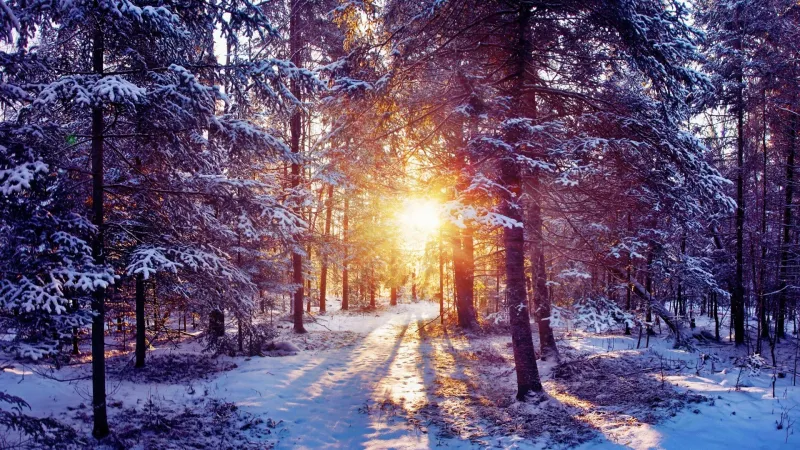
Photo: winter marquee interior with potted ivy and winter jasmine on freestanding wooden frame, via wallpaperaccess.com
A winter marquee has a problem of atmosphere. The walls are white, the floor is flat and the light is either too bright or too yellow. Cut flowers can fill it, but they often arrive in floral foam and leave in bin bags. A better answer, especially for winter gatherings in 2026 and 2027, is to borrow the habit of a garden: let climbers do the dressing. Vines bring height, shadow, movement and the sense of a room that has grown rather than been assembled. They are not a trend so much as a different starting point.
Why climbers work in winter
A climber is architecture with a pulse. In winter, when flowers are scarce and expensive, a vine gives you lines: bare stems against a wall, evergreen leaves around a doorway, a trail of ivy falling from a plinth. It also gives you scent, texture and a bit of controlled untidiness, which is usually what a marquee lacks. The trick is to use plants as structure, not as decoration. A freestanding frame with a jasmine trained across it does more for a room than another bucket of roses.
Five UK-grown climbers worth planning around
1. Winter jasmine
Jasminum nudiflorum is not a twining climber, despite the name. It is an arching shrub that can be trained against wires or a freestanding frame, and it earns its place with yellow flowers on bare green stems in January and February. Use it at an entrance, behind a top table or on a simple obelisk. Cut it back after flowering rather than in the middle of winter. Source UK-grown stock, and avoid clipping into old wood where regrowth is slow.
2. Ivy
Hedera helix is the most useful trailing plant in the UK, and also the most abused. Do not pull it from tree trunks or hedgerows. Use potted ivy from a nursery, or take short lengths from a garden wall with the owner's permission. Trailing ivy softens the top of a screen or the edge of a bar, but keep it away from plates and small hands because the berries and sap are not for eating. Check for birds' nests before cutting, and never let ivy wander across a fire exit.
3. Winter clematis
Clematis cirrhosa is a quieter choice than the big summer clematis, with ferny evergreen leaves and creamy bell flowers through winter. It likes a sheltered spot and dislikes being cooked by a marquee heater. A potted specimen on a simple hoop or tripod is more reliable than trying to plant it into a temporary floor. Prune after flowering if needed, and ask the nursery for UK-grown plants rather than imported stock that has been forced in a warm tunnel.
4. Star jasmine
Trachelospermum jasminoides is not a winter flowerer, but it is a superb evergreen structure plant for events. Glossy leaves and a neat climbing habit make it look expensive without shouting. It needs shelter, so use it near a doorway or against an internal frame rather than in a cold draught. Keep it in a pot, water it sensibly and do not let it dry out next to a heater. Buy UK-grown plants where possible and treat them as a long-term investment rather than a one-night prop.
5. Climbing hydrangea
Hydrangea anomala subsp. petiolaris is slow, stubborn and worth it. In winter it gives peeling bark, sculptural stems and a sense of age that no cut-flower arrangement can fake. It is deciduous, so do not expect leaf cover in December, but the bare framework is the point. Train it on a sturdy freestanding structure and give it time. A well-grown potted specimen is expensive, so hire or borrow one if you can, and plan where it will live after the event.
Training without damaging the room
Do not staple vines to a marquee wall. Fabric tears, frames bend and the next person inherits the holes. Use freestanding trellis, weighted bases, tension wires or simple wooden obelisks. In a village hall, keep fixings independent of the walls and floors; nails and adhesive hooks are not a gift to the caretaker. Keep exits, fire equipment and walkways clear. Let vines fall from height, but tie them back where people will brush past.
Hessian, jute, coir and reusable pins are your friends. So is a plan for watering. Potted climbers need a saucer, a hidden reservoir or a quiet corner where they can be checked each morning. Keep plants away from direct heat and hot lights. A vine that looks relaxed on Friday should not be crispy by Sunday.
Sourcing responsibly
Ask for UK-grown stock, peat-free where possible, and a clear answer about provenance. Wild-dug ivy and clematis should not be part of a professional event scheme. Avoid invasive plants such as Russian vine, however romantic the name sounds. Check plants for pests and disease before they come indoors, and decide where they will go afterwards. Hiring or borrowing established plants is often better than buying something that will be abandoned with the tablecloths.
The styling shift
This is not an argument against cut flowers. It is an argument for using fewer of them, in places where they really count, and letting plants do the background work. A marquee dressed with climbers feels like a garden room because it has roots, habits and a future. The best winter schemes for 2026 and 2027 will look slightly unruly, a little green and very much alive. That is the point.